

Lions Head Solutions
Camel Thorn Hardwood from South Africa and Namibia

The Pearl of the Savanna and the King of the Braai
Anyone who has ever experienced a true South African braai knows that the fire is just as important as the meat. A good braai doesn’t start with a match, but with the right wood. And if there’s one type of wood that stands head and shoulders above the rest, it’s “kameeldoornhout”. This wood burns longer, hotter, and cleaner than almost any other type of firewood and is also harvested in an environmentally friendly way. But to understand why camel thorn wood is so special, you first need to know where it comes from and how it is formed.
Why Camel Thorn Wood is Perfect for the Braai
Once you’ve barbecued with camel thorn wood, you won’t want anything else. The advantages speak for themselves:

Long-lasting, Consistent Heat
Because the wood is so hard, it burns slowly and evenly. This means you have a stable heat source, ideal for grilling, slow cooking, and smoking.
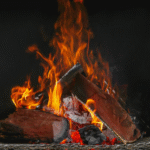
Low Smoke and Clean Combustion
Camel thorn wood contains very little moisture, which means it produces almost no smoke. This prevents bitter flavours and ensures a clean, controlled burn.
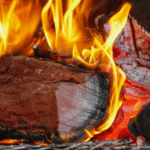
Unique Flavour
The wood gives a subtle, natural smoky flavour that adds just the right extra touch without overpowering the meat. This is especially effective with beef steaks, game, and lamb dishes.

Minimal Sparks
Unlike some other firewood types, camel thorn hardly sparks or pops, making it safer and more pleasant to work with.
The Origin of Camel Thorn Wood
The camel thorn tree (Vachellia erioloba) grows on the dry plains of South Africa, Namibia, and Botswana. Here, where the sun shines relentlessly and rain is scarce, a tree must be strong to survive. The camel thorn has roots that can reach up to 60 meters deep, in search of water sources far beneath the dry desert ground. This process takes decades, sometimes even hundreds of years.
This slow growth gives the wood an exceptionally dense structure. Unlike fast-growing trees that produce light and soft wood, camel thorn is so compact that it is almost as hard as iron. This explains why it burns so slowly and releases such intense, long-lasting heat — perfect for a braai where you don’t want to add new wood all the time.
But the camel thorn tree doesn’t just die. Some branches break off due to age, drought, or wind and fall to the ground by themselves. Other trees die a natural death, after decades or even hundreds of years. This dead wood often lies on the dry savanna for years, where it further dries out under the sun. Only when it is completely dry and mature is it collected and prepared for use.
Sustainably Harvested, with Respect for Nature
One of the reasons I feel good about using camel thorn wood is that it is harvested in an environmentally friendly way. Unlike many other firewood types, for which forests are cut down, camel thorn is harvested almost exclusively from naturally fallen trees or branches.
The harvesting is done in a way that respects both the ecosystem and biodiversity:
Minimal soil impact – The wood is harvested without heavy machinery, so the fragile soil structure is not disturbed. This prevents erosion and keeps the landscape intact.
Use of dead wood – No living trees are cut down. Only wood that lies on the ground or comes from trees that died naturally is collected. This means that still-growing camel thorn trees are left in peace.
Regulated permits – South Africa and Namibia have a strict permit system for the trade in camel thorn wood. This prevents overexploitation and ensures the wood is harvested in a responsible manner.
Preservation of the ecosystem – Dead wood can pile up and hinder the growth of young trees. By selectively removing dead wood, new trees get more space and light, which helps keep the savanna in balance.

The Best Wood for a Real Braai
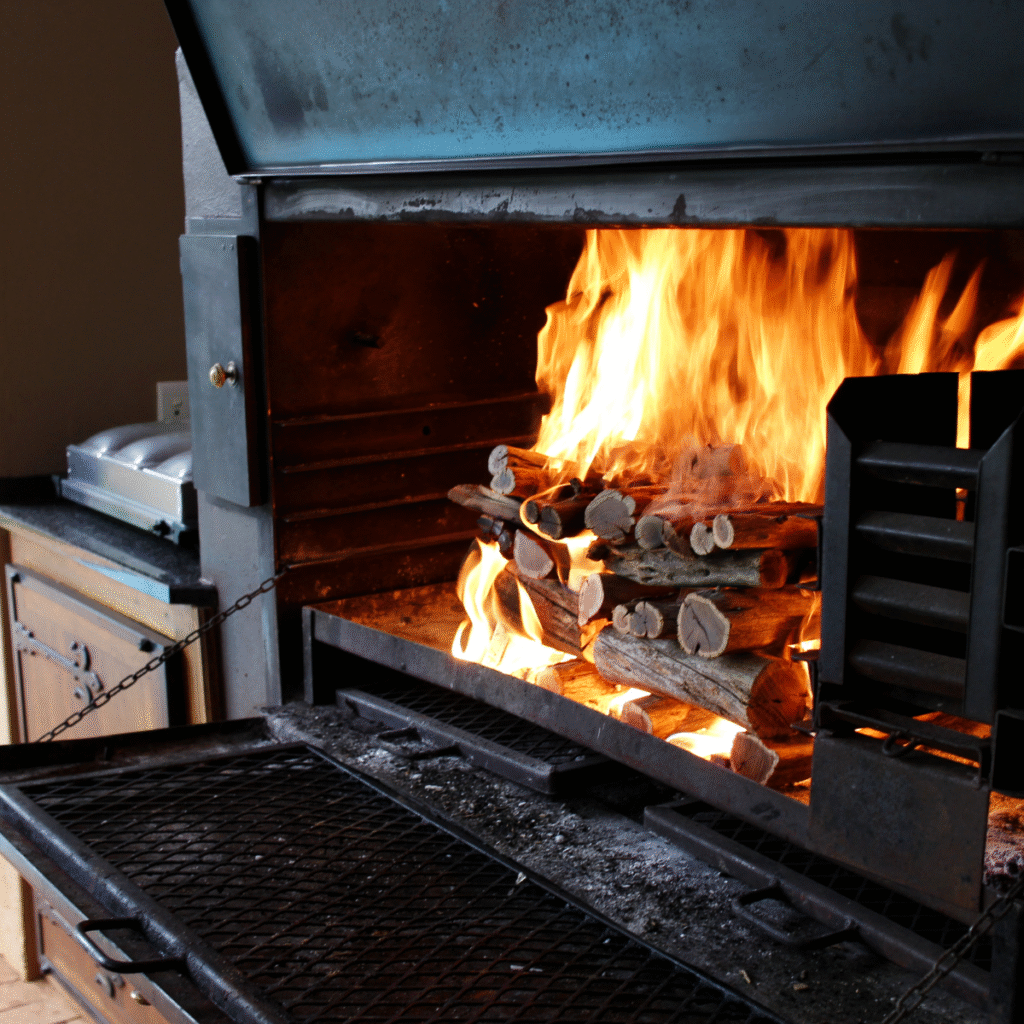
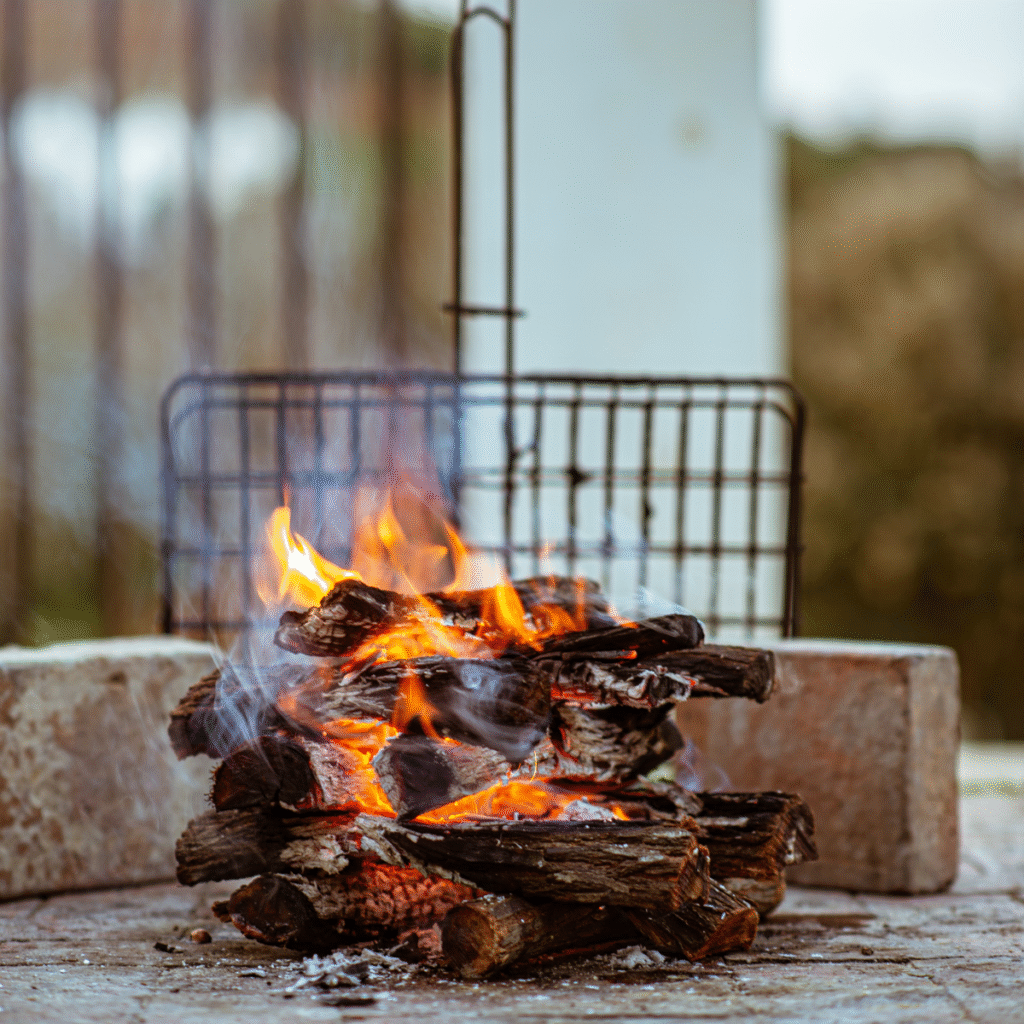
If you get the chance to braai with camel thorn wood, you’ll notice the difference immediately. It burns longer, hotter, and cleaner than almost any other braai wood, and its subtle smoky flavor gives your meat an authentic, natural touch.
Moreover, it is a wood with a story — a story of centuries-long growth, of the heat of the savanna, and of a nature-friendly way of harvesting that ensures the camel thorn tree will continue to exist for generations.
There’s no doubt: a real braai starts with camel thorn wood.



A Centuries-old Tradition
The San and Nama peoples, who have lived in Southern Africa for thousands of years, use kameeldoornhout as fuel. This wood was — and is — vital for them: it provided warmth during cold desert nights, served to cook food, and even offered protection against predators.
Today, that tradition lives on in South African braai culture. A good braai is not only a way to prepare food, but a social ritual — a moment of togetherness around the fire. And no firewood contributes better to that than camel thorn.
Camel Thorn Hardwood from South Africa and Namibia

Contact Us
Please fill out the form below and we will respond to your inquiry soon.


Find Our Products at the Following Suppliers
Stoke Outdoorcooking – Geel
Rymbu – Puurs / Kontich
Houthandel Van Hemelrijck – Malderen
Vanhie – Meise
Horta Meer
Horta Beveren
Horta Borsbeek
Horta Brasschaat
Horta Heist-op-den-Berg
Horta Lanaken
Horta Oudenaarde
Horta Rillaar
Horta Reet
Horta Ternat
Horta Wuustwezel
Horta Zoutleeuw
Nederland
Brikettenhout – Helmond